Solution
Flexible Solutions for the Hardest-to-Abate Industries
ZEFIRA designs modular membrane- and plasma-based process systems to separate gases and convert carbon-containing streams into fuels, chemicals, and feedstocks.
Solution
Flexible Solutions for the Hardest-to-Abate Industries
Modular membrane and plasma systems for converting carbon into fuels and feedstocks.
The Industrial Challenge
Where Emissions Are Hardest to Eliminate
From steel and chemicals to aviation and shipping, many industries still depend on fossil feedstocks and centralized production assets.
Many industries still rely on fossil feedstocks and centralized assets, making emissions hard to cut at scale.
Their emissions remain difficult to abate because current alternatives are often costly, energy-intensive, or not yet scalable.
ZEFIRA bridges this gap with modular process systems that combine advanced membranes and plasma modules.
ZEFIRA addresses this gap with modular process systems combining advanced membranes and electrified plasma
These systems integrate seamlessly into existing plants and operate efficiently with renewable energy or low-carbon feedstocks such as captured CO₂ and biogenic resources.
Designed to run on renewable power and low-carbon feedstocks, including captured CO₂ and biogenic resources.
Our Approach
Modular, Circular, Electrified.
ZEFIRA develops modular process technologies based on advanced membranes and plasma systems to capture, separate, and convert carbon-containing gas streams.
ZEFIRA develops modular process technologies based on advanced membranes and electrified plasma systems to capture, separate, and convert carbon-containing gas streams.
These systems are designed for on-site integration, enabling low-carbon fuels, chemicals, and feedstocks without reliance on centralized assets.
These systems, combining selective separation with electrified conversion, are designed for on-site integration, enabling low-carbon fuels, chemicals, and feedstocks
Designed for on-site integration, enabling low-carbon fuels, chemicals, and feedstocks without reliance on centralized assets.
By combining selective separation with electrified conversion, ZEFIRA enables compact, flexible solutions for hard-to-abate industrial processes.
ZEFIRA enables:
On-site, modular decarbonization
Selective separation and efficient conversion
Carbon and hydrogen recycling
Flexible operation with renewable electricity
Industry Applications
Delivering Impact Where It Matters Most
ZEFIRA’s platform is designed to adapt across multiple industrial ecosystems from process-gas recycling to renewable-fuel synthesis. Each application leverages the same membrane and plasma expertise, tailored to the specific chemistry, pressure, and energy context of the sector
ZEFIRA’s platform adapts across multiple industrial ecosystems, from process-gas recycling to renewable-fuel synthesis.
Each application leverages the same membrane and plasma expertise, tailored to the sector’s chemistry, pressure, and energy context.
01
Steel, Chemical, and Refining Industries
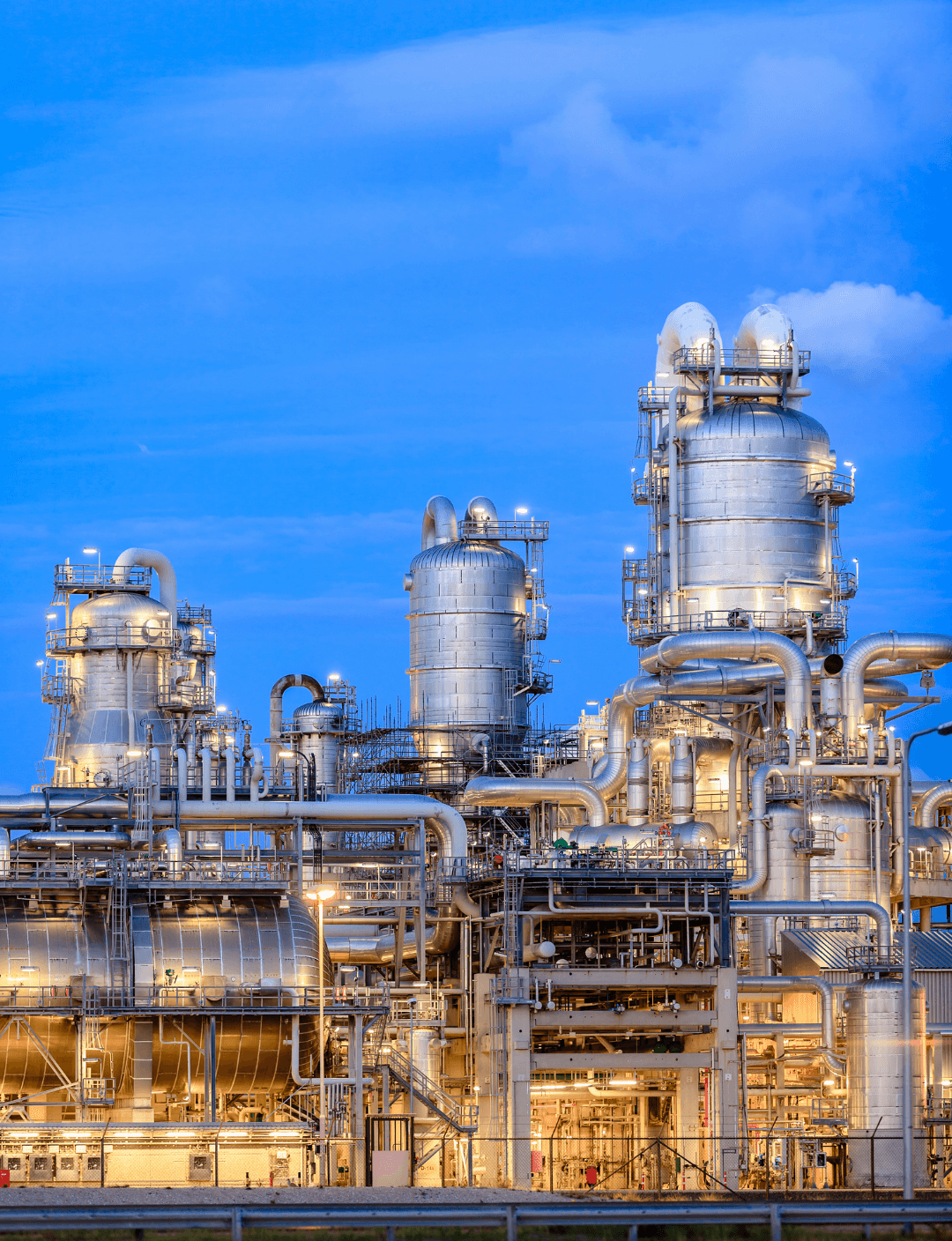
ZEFIRA enables circular use of process gases in some of the world’s toughest industrial environments.
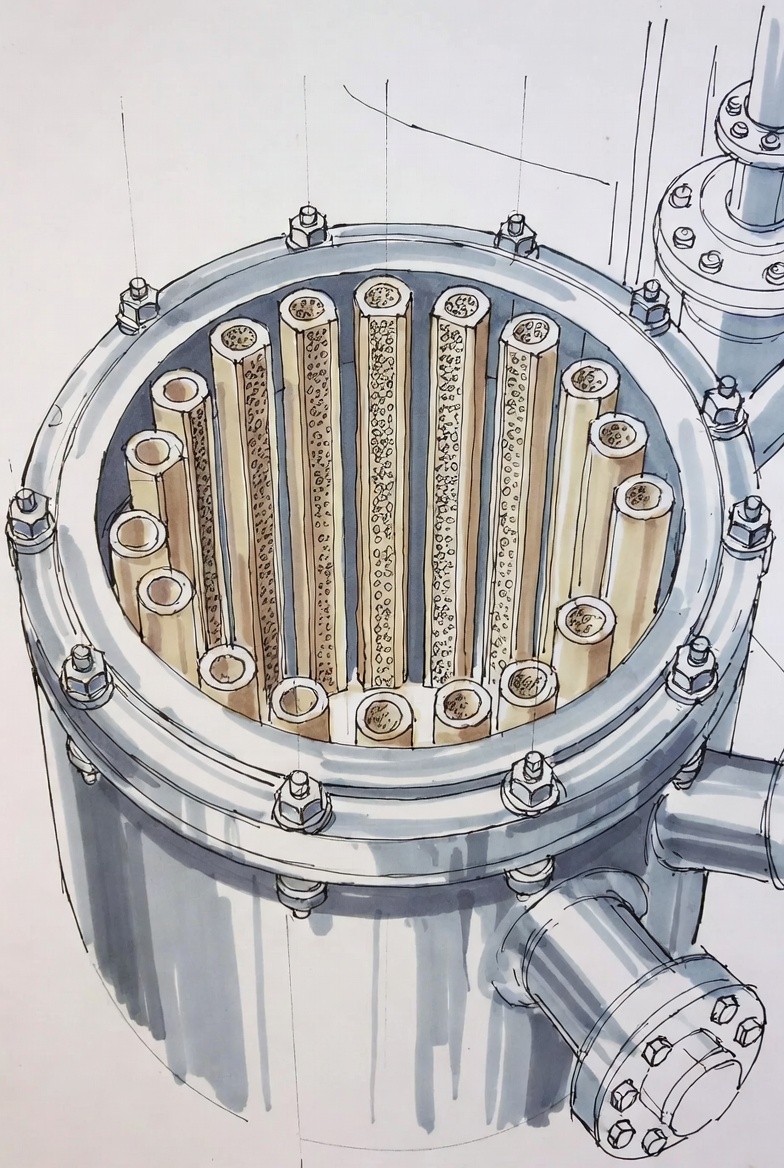
Its high-resistance carbon membranes recover hydrogen and CO₂ from blast-furnace and DRI off-gases, ammonia and methanol synthesis loops, and refinery off-gases — where heat, pressure, and impurities challenge conventional materials.
By recycling these molecules within existing process loops, ZEFIRA helps cut emissions, reduce hydrogen demand, and improve overall conversion efficiency across steelmaking, chemical, and refining operations.
01
Steel, Chemical, and Refining Industries
ZEFIRA enables circular use of process gases in some of the world’s toughest industrial environments.
Its high-resistance carbon membranes recover hydrogen and CO₂ from blast-furnace and DRI off-gases, ammonia and methanol synthesis loops, and refinery off-gases — where heat, pressure, and impurities challenge conventional materials.
By recycling these molecules within existing process loops, ZEFIRA helps cut emissions, reduce hydrogen demand, and improve overall conversion efficiency across steelmaking, chemical, and refining operations.
01
Steel, Chemical, and Refining Industries
ZEFIRA enables circular use of process gases in tough industrial environments.
Its high-resistance carbon membranes recover hydrogen and CO₂ from blast-furnace and DRI off-gases, synthesis loops, and refinery streams — where heat, pressure, and impurities challenge conventional materials.
This recycling within existing process loops helps cut emissions, reduce hydrogen demand, and improve conversion efficiency.
02
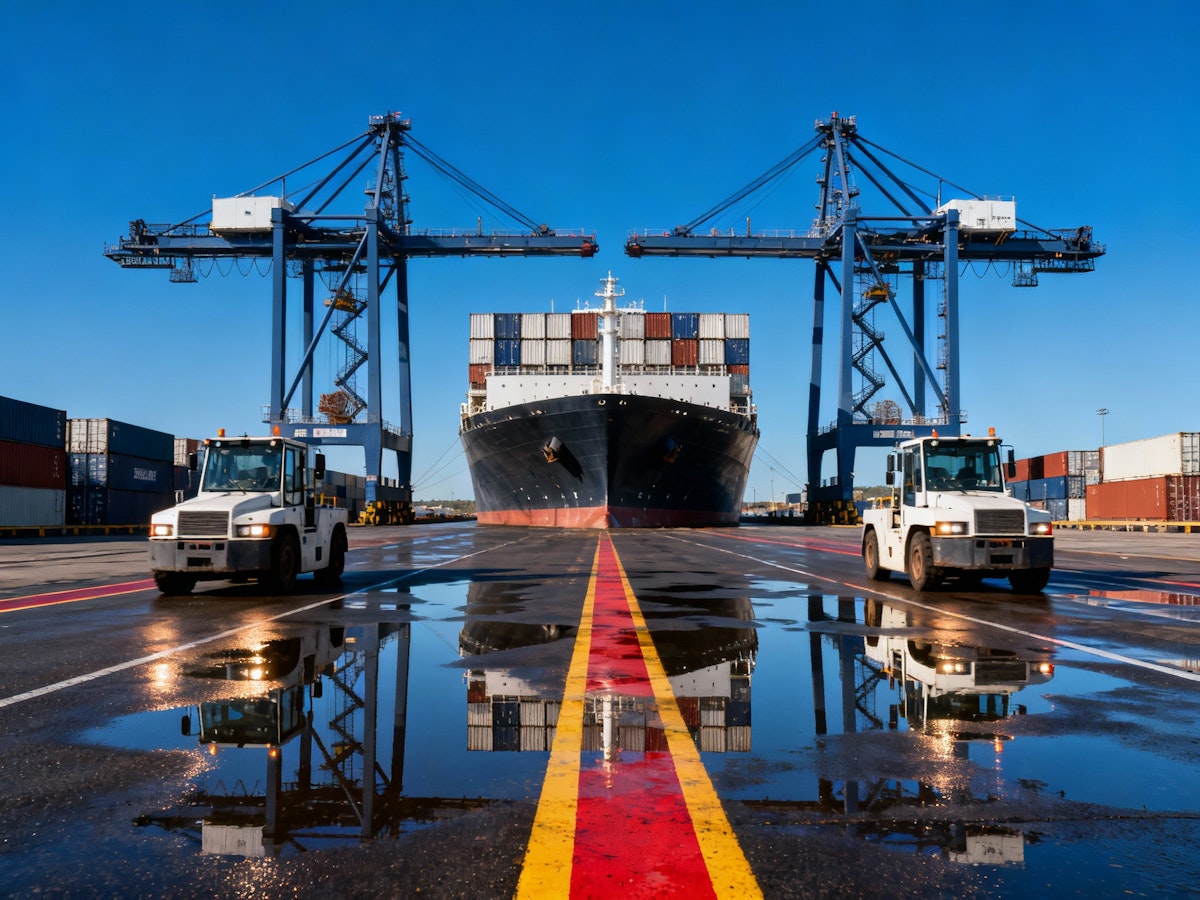
Aviation & Shipping
Aviation and maritime transport need drop-in fuels that cut carbon without changing engines or infrastructure.
ZEFIRA’s membrane technology supports both Power-to-X and bio-based routes to renewable methanol, dimethyl ether (DME), and sustainable aviation fuel (SAF).
For SAF, our technology acts as a key enabler for Fischer–Tropsch and alcohol-to-jet pathways, helping industry bring defossilized fuels to market faster and at lower cost.
02
Aviation & Shipping
Aviation and maritime transport need drop-in fuels that cut carbon without changing engines or infrastructure.
ZEFIRA’s membrane technology supports both Power-to-X and bio-based routes to renewable methanol, dimethyl ether (DME), and sustainable aviation fuel (SAF).
For SAF, our technology acts as a key enabler for Fischer–Tropsch and alcohol-to-jet pathways, helping industry bring defossilized fuels to market faster and at lower cost.
02
Aviation & Shipping
Aviation and maritime transport need drop-in fuels that cut carbon without changing engines or infrastructure.
ZEFIRA’s membrane technology supports both Power-to-X and bio-based routes to renewable methanol, dimethyl ether (DME), and sustainable aviation fuel (SAF).
For SAF, our technology acts as a key enabler for Fischer–Tropsch and alcohol-to-jet pathways, helping industry bring defossilized fuels to market faster and at lower cost.
03
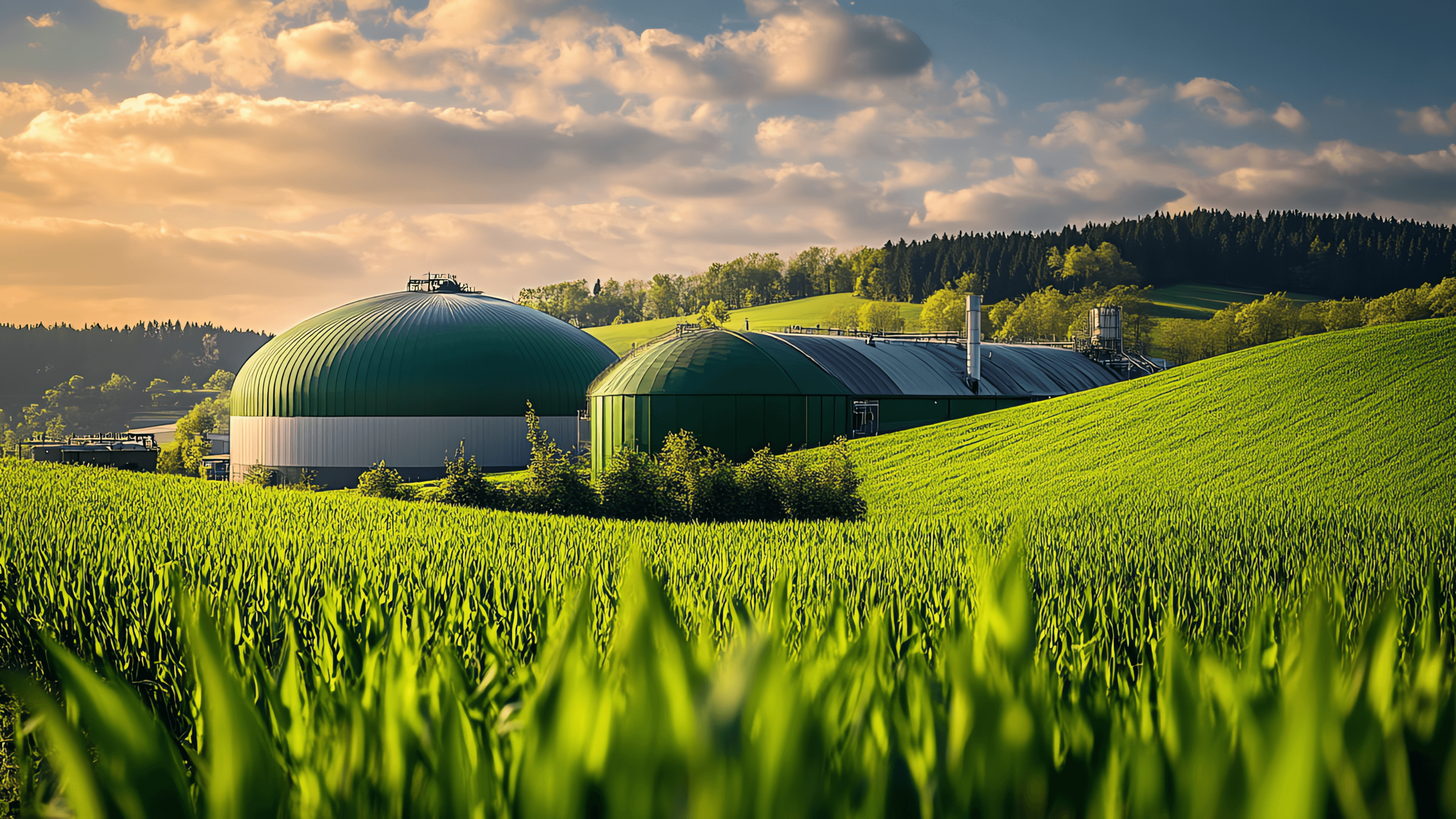
Biogas & Waste Valorisation
Biogas and waste-derived gases represent one of the largest and most underutilised renewable-carbon markets, driven by agriculture, waste management, and local energy production. However, their decentralised nature, variable composition, and limited scale often prevent efficient valorisation beyond simple energy use.
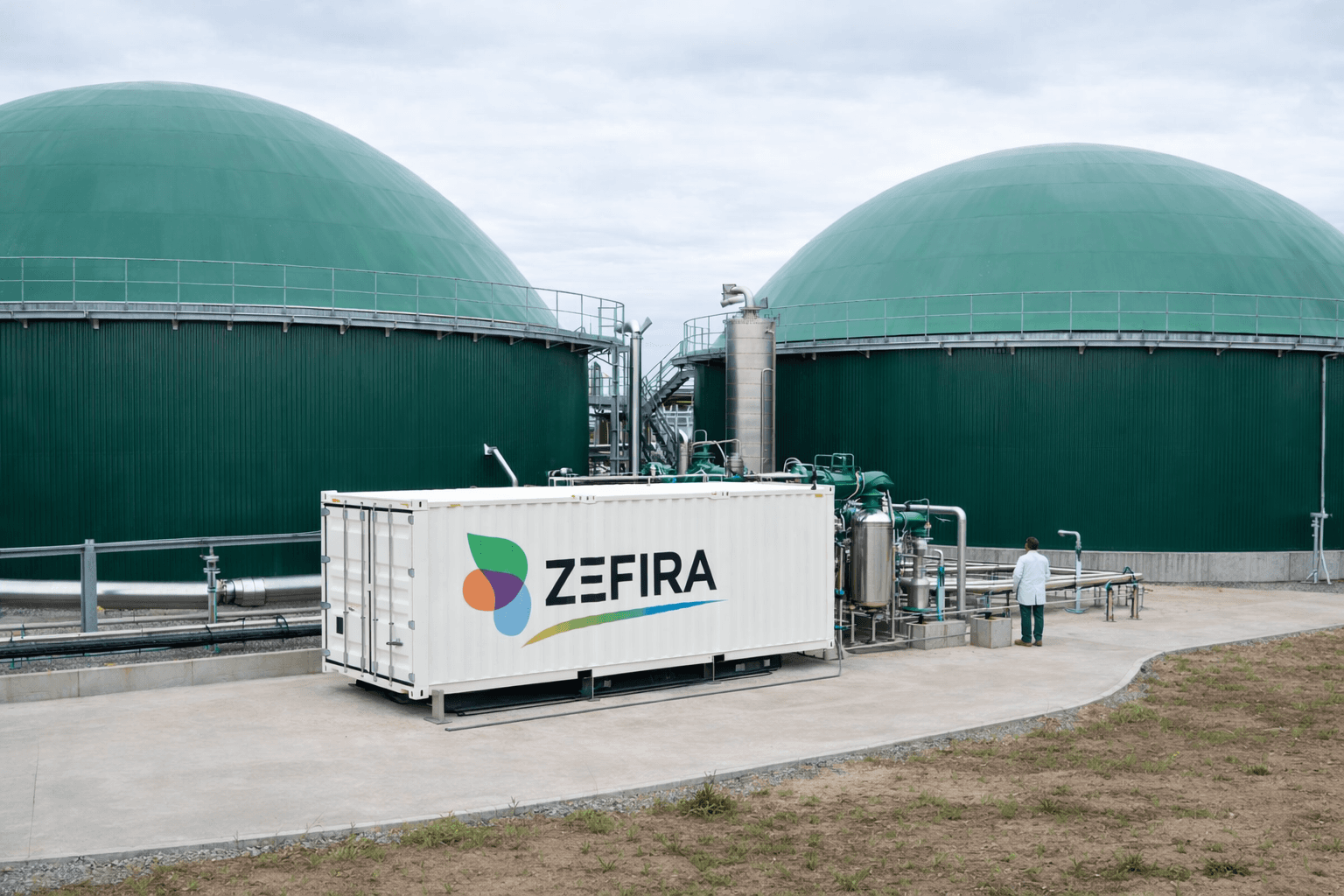
ZEFIRA addresses this gap by enabling local upgrading and conversion of CO₂-rich biogas into higher-value products such as syngas and renewable feedstocks for fuels and chemicals, including methanol and DME.
By supporting on-site, modular conversion routes, ZEFIRA helps unlock new revenue streams from biogenic resources while reducing transport, emissions, and dependence on centralised fossil-based infrastructure.
03
Biogas & Waste Valorisation
Biogas and waste-derived gases form a large but underutilised renewable-carbon market, constrained by decentralised sites, variable composition, and limited scale.
ZEFIRA enables local upgrading and conversion of CO₂-rich biogas into syngas and renewable feedstocks for fuels and chemicals, including methanol and DME.
By supporting on-site, modular conversion, ZEFIRA helps unlock value from biogenic resources while reducing transport, emissions, and reliance on centralised fossil infrastructure.
03
Biogas & Waste Valorisation
Biogas and waste-derived gases represent one of the largest and most underutilised renewable-carbon markets, driven by agriculture, waste management, and local energy production. However, their decentralised nature, variable composition, and limited scale often prevent efficient valorisation beyond simple energy use.
ZEFIRA addresses this gap by enabling local upgrading and conversion of CO₂-rich biogas into higher-value products such as syngas and renewable feedstocks for fuels and chemicals, including methanol and DME.
By supporting on-site, modular conversion routes, ZEFIRA helps unlock new revenue streams from biogenic resources while reducing transport, emissions, and dependence on centralised fossil-based infrastructure.
03
Biogas & Waste Valorisation
Biogas and waste-derived gases are a large, underutilised renewable-carbon resource, but their decentralised nature, variable composition, and limited scale often prevent efficient valorisation beyond energy use.
ZEFIRA enables local upgrading and conversion of CO₂-rich biogas into syngas and renewable feedstocks, including methanol and DME.
Through on-site, modular conversion, ZEFIRA unlocks new revenue streams while reducing transport, emissions, and reliance on centralised fossil infrastructure.
Benefits for Partners
Measurable Impact, Immediate Results
ZEFIRA’s modular systems deliver tangible performance gains — improving efficiency, flexibility, and integration while reducing operating costs.
ZEFIRA’s modular systems deliver tangible performance gains, improving efficiency and flexibility while reducing operating costs.
Up to 35 % higher conversion efficiency in reactive systems
Up to 35% higher conversion efficiency
Up to 50 % lower energy use and OPEX through reduced pressure and recycle requirements
Up to 50% lower energy use and OPEX
Compact design, cutting CAPEX and footprint
Compact design, reducing CAPEX and footprint
Easy integration into existing industrial assets
Flexible operation, aligned with renewable-power supply
ZEFIRA’s modular systems translate decarbonization targets into measurable operational gains.
ZEFIRA turns decarbonization targets into measurable operational gains.
How We Work
From Concept to Deployment
ZEFIRA works hand-in-hand with industrial and research partners to design, validate, and scale decarbonization solutions based on our modular technology platform.
ZEFIRA works with industrial and research partners to design, validate, and integrate modular decarbonization solutions.
ZEFIRA works with industrial and research partners to design, validate, and scale decarbonization solutions based on its modular technology platform.
Each collaboration is tailored to project goals but typically includes:
Our work typically follows three steps:
1
1
Feasibility and simulation studies
ZEFIRA starts with process-level feasibility and simulation studies to assess performance, integration constraints, and decarbonization potential. Using detailed process models and techno-economic analysis, we quantify energy savings, conversion gains, and integration pathways before any hardware is built.
Feasibility and simulation studies
Process modelling and techno-economic analysis to assess performance, integration, and decarbonization potential.
Feasibility and simulation studies
Process-level studies to assess performance, energy savings, and integration paths before hardware is built.
2
2
Lab and Pilot-scale testing
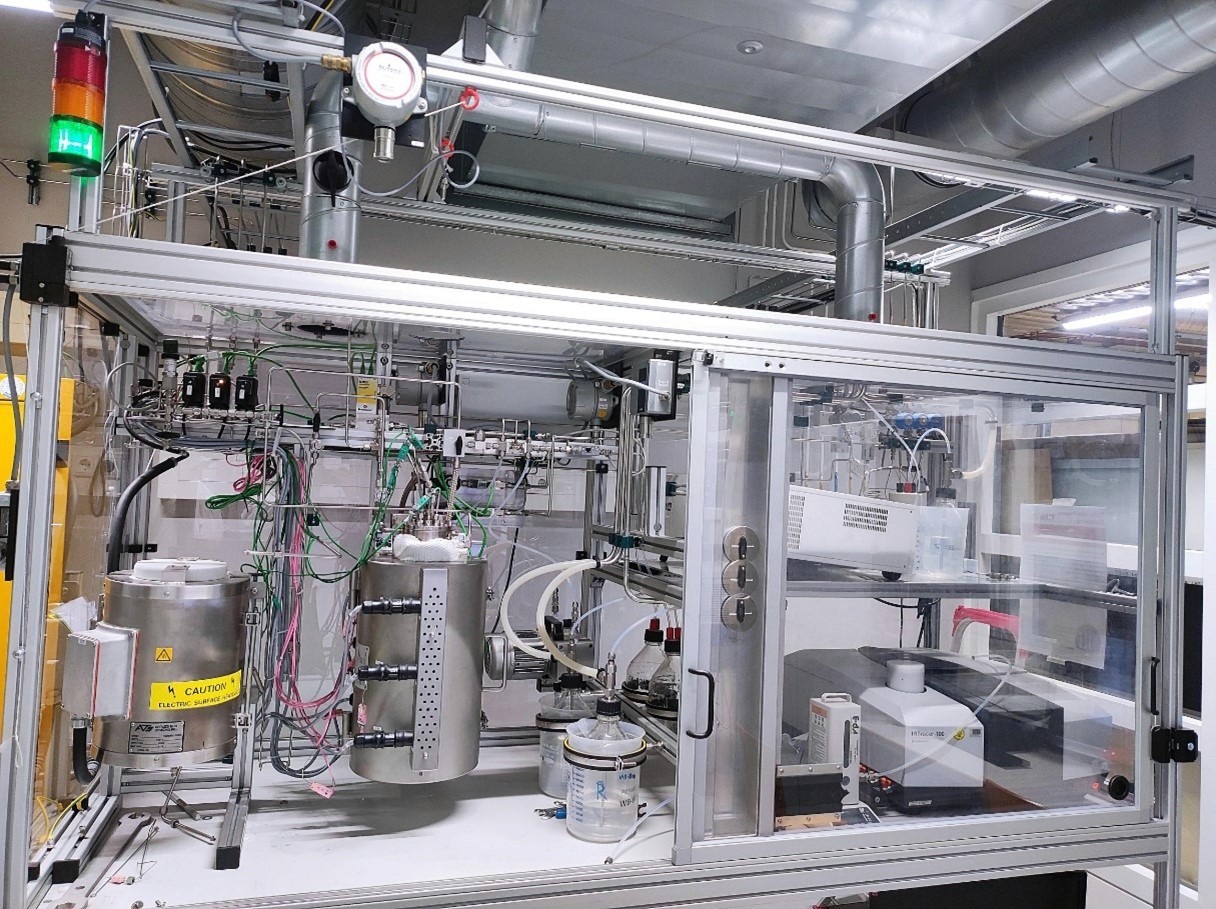
Promising concepts are validated through laboratory and pilot-scale testing under representative industrial conditions. These tests de-risk scale-up, validate membrane and reactor performance, and generate the data required for industrial decision-making.
Lab and Pilot-scale testing
Laboratory and pilot-scale testing to validate performance and de-risk scale-up.
Lab and Pilot-scale testing
Laboratory and pilot validation under representative industrial conditions to de-risk scale-up and confirm performance.
3
3
System integration
ZEFIRA supports system integration into existing industrial assets, adapting modules to site-specific constraints. We work closely with partners and EPCs to ensure safe, reliable deployment and long-term operational performance.
System integration
Integration into existing industrial assets, adapted to site-specific constraints.
System integration
Integration into existing industrial assets, working with partners and EPCs to ensure safe, reliable deployment.
Related Technologies
Built on Proven Science
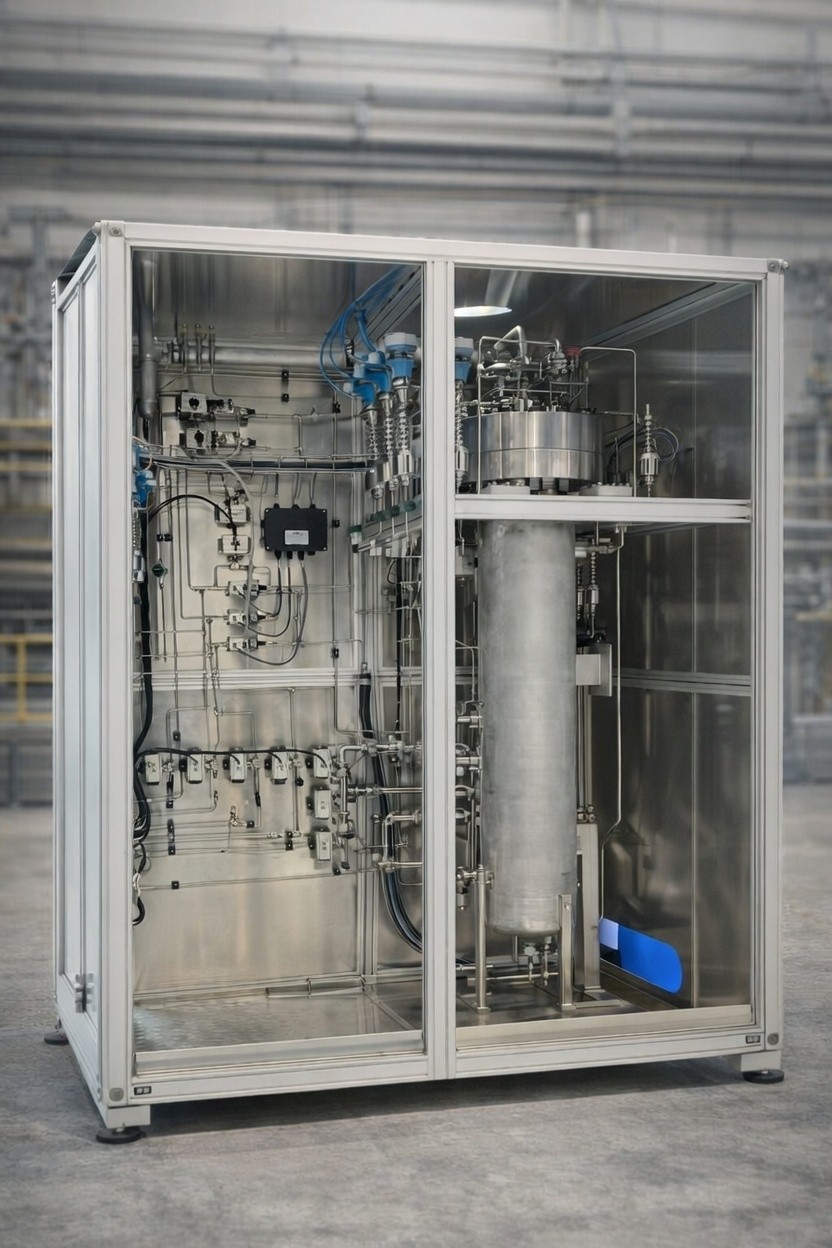
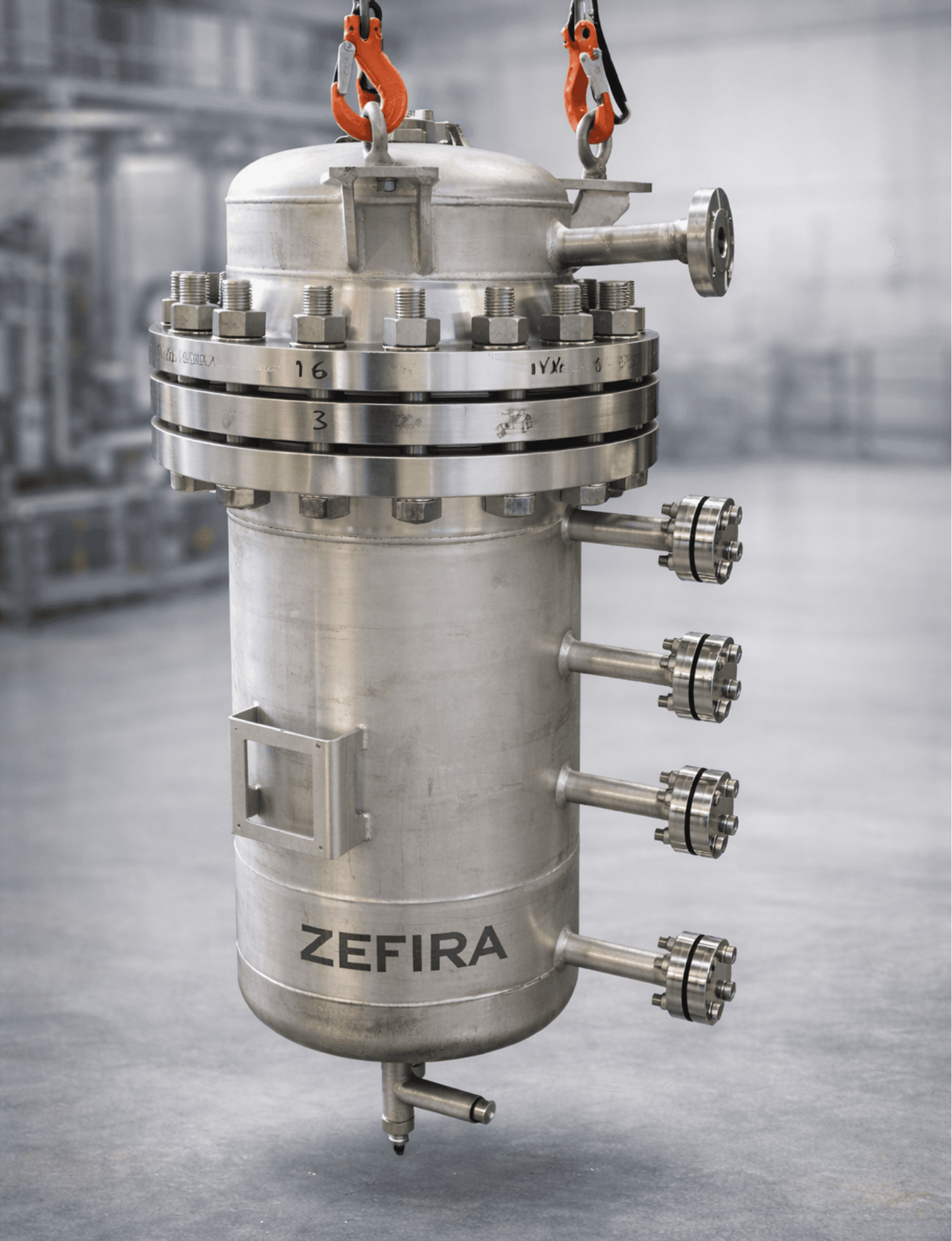
Every ZEFIRA solution is built on a proprietary technology platform combining advanced carbon membranes and electrified plasma systems, developed through years of collaborative R&D.
This scientific foundation underpins ZEFIRA’s modular solutions for CO₂, hydrogen, and syngas processing — and supports the development of fully electrified, circular conversion systems for industrial decarbonization.
ZEFIRA’s solutions combine advanced carbon membranes and electrified plasma systems, developed through years of collaborative research.
This scientific foundation enables modular, electrified conversion of CO₂, hydrogen, and syngas for industrial decarbonization.

Engineering the Transition Together
We collaborate with industrial partners, technology developers, and investors to bring membrane and plasma-based solutions to low-carbon industrial applications.
Get in touch to explore collaboration, pilot testing, or investment opportunities with ZEFIRA.
Engineering the Transition Together
We collaborate with industrial partners, technology developers, and investors to bring membrane and plasma-based solutions to low-carbon industrial applications.
Get in touch to explore collaboration, pilot testing, or investment opportunities with ZEFIRA.
Engineering the Transition Together
We collaborate with industrial partners, technology developers, and investors to bring membrane and plasma-based solutions to low-carbon industrial applications.
Get in touch to explore collaboration, pilot testing, or investment opportunities with ZEFIRA.